Notes on evidence, listening, and biodiversity conservation.
This essay is a reflective piece exploring how scientific evidence is heard, organized, and acted upon in biodiversity conservation. It is intended as a work in progress rather than a definitive position.
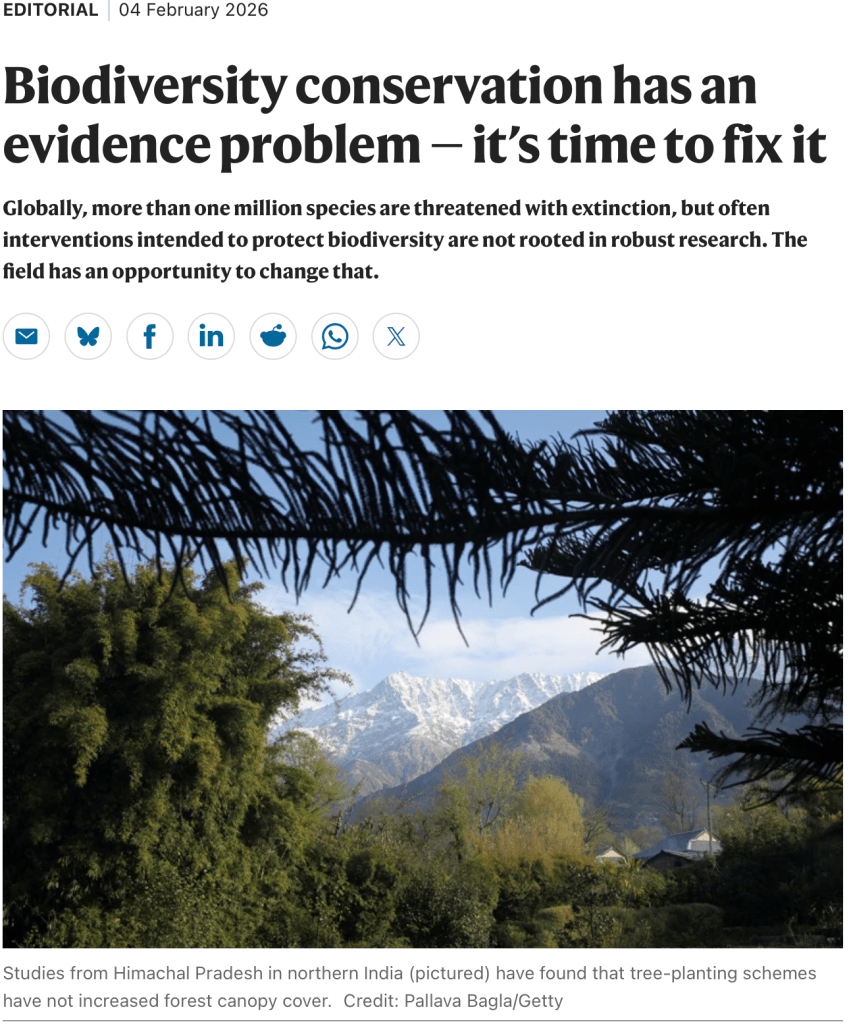
A recent Nature editorial argues that biodiversity conservation has an evidence problem.
Yet the issue may not be a conflict between bodies of evidence, nor even their absence. As Nature editorials have often emphasized, it may instead reflect a layered disconnect — between how evidence is generated, how it is financed, and how it is taken up in decision-making.
In many contexts, evidence does exist, from long-term fieldobservations to emerging tools such as eDNA and AI-assisted synthesis.
The question may therefore be whether this work is recognized, organized, and allowed to be heard in ways that can inform action.
A recent Nature editorial argues that biodiversity conservation has an evidence problem.
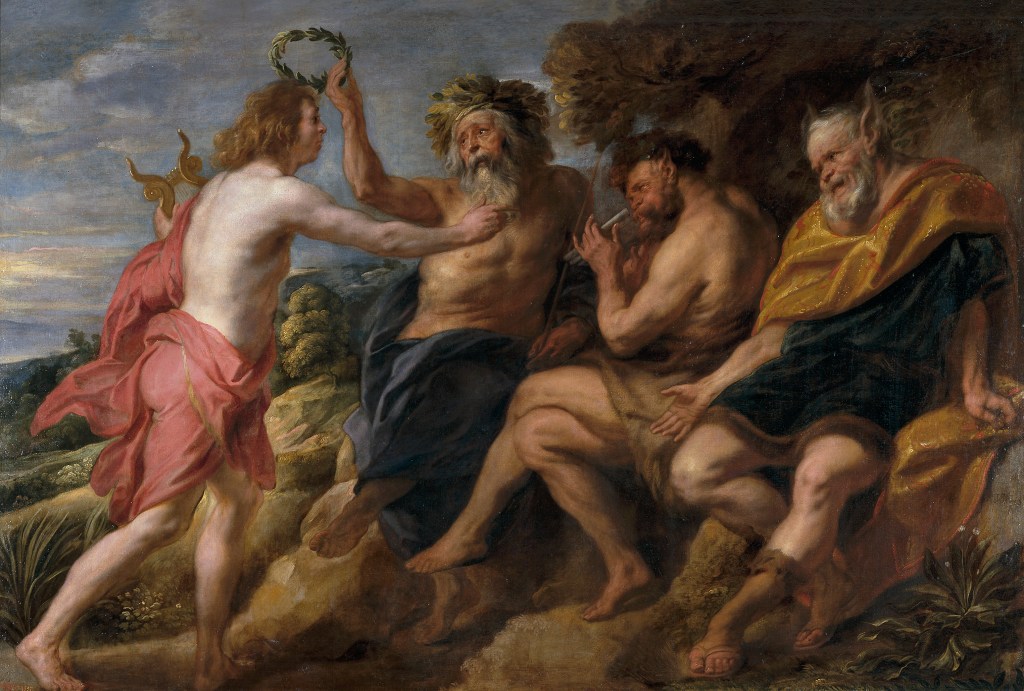
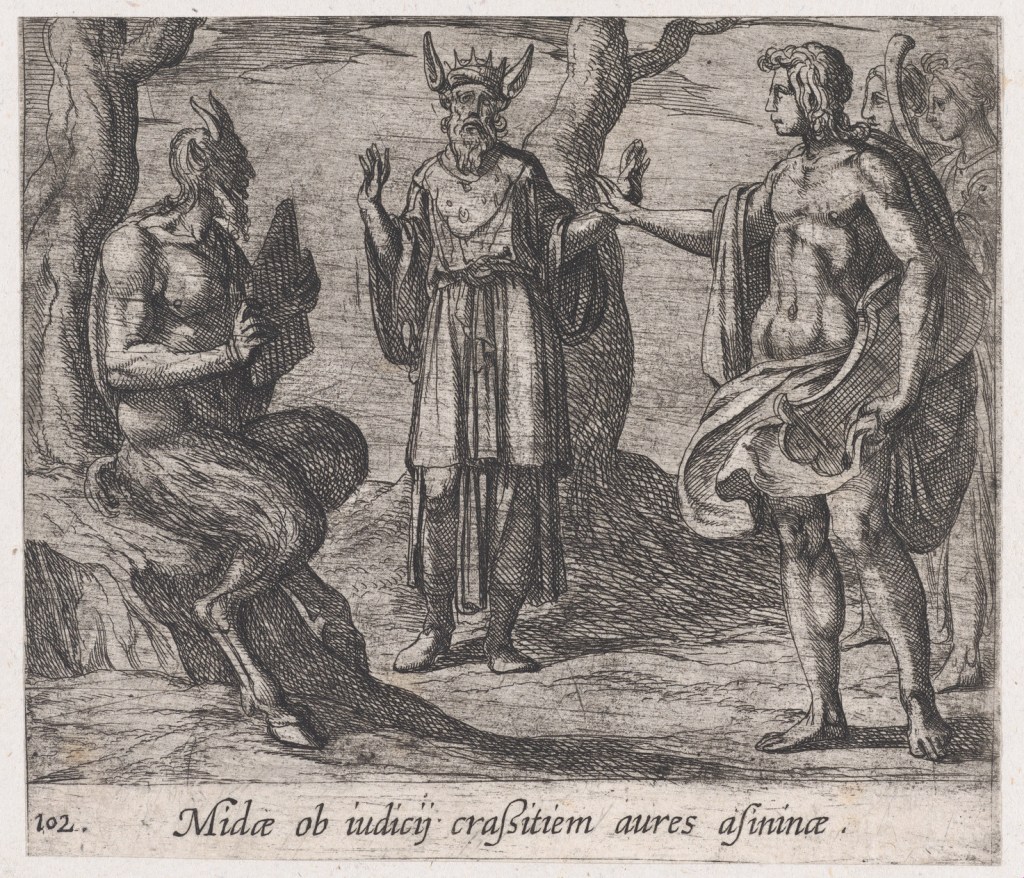
Yet the issue is not a clash between bodies of evidence, nor even their absence. It is less a contradiction and more a layereddisconnect. This tension is familiar from Güngör Dilmen’s theatre play The Ears of Midas. It recalls a much older question: is it Apollo, with his golden lyre, or Pan, with his reed flute, who plays better?
Midas with the Ears of an Ass, from Ovid’s Metamorphoses
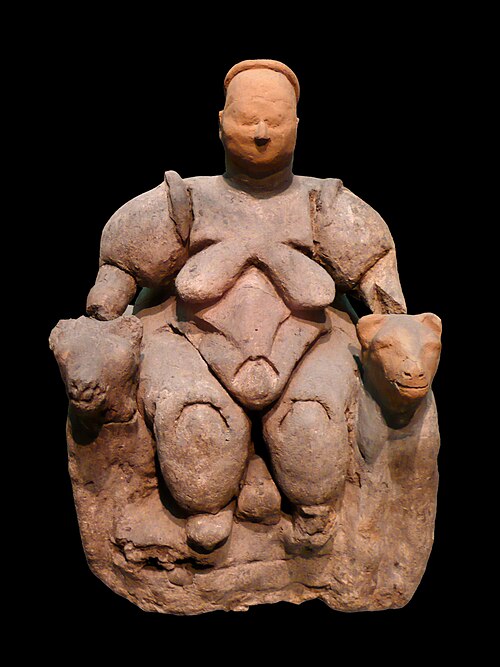
In Scene V, Midas’ daughter asks about the instruments, and the sculptor responds not by choosing between them, but by showing the mother goddess Cybele holding both flute and lyre in balance. The scene does not deny difference.
For more than half a century, the music has been playing, not in storied cities such as Rome, Troy, or Gordium, long fallen, but across our modern cities and landscapes, shaping the living things — from policymakers to the goats that once listened to Pan. Scientists, institutions, and international organizations have contributed to this chorus, documenting biodiversity loss, ecosystem change, and their drivers.
Here again, the challenge is less about producing more data and more about organizing, recognizing, and mobilizing what is already known — from long-term field observations to emerging tools such as eDNA and AI-assisted synthesis.
In this sense, the evidence problem is not simply about absence. It is about layers of disconnection, and about whether the music of evidence, once played, is allowed to shape action.
The question is not only how well instruments are played, but whether the music is allowed to be heard at all, and does not fall on deaf ears.
“The first thing we should do is to ratify the Vienna Convention for the protection of the ozone layer… Next, it is important to focus attention on the potential effects of ozone depletion and of climate change on the choices that we as a global society must make… These are no longer just science issues. They are now policy issues… We must not allow their message to fall on deaf ears.”
— Senator John H. Chafee, Opening Statement, Ozone Depletion, the Greenhouse Effect, and Climate Change, U.S. Senate, 99th Congress, Second Session, June 10–11, 1986.
I share this piece to invite discussion rather than to settle it. Comments, critiques, and alternative readings are welcome.
References
Ozone Depletion, the Greenhouse Effect, and Climate Change: Hearings Before the Subcommittee on Environmental Pollution of the Committee on Environment and Public Works, United States Senate, Ninety-ninth Congress, Second Session, June 10 and 11, 1986.
Dilmen, G. The Ears of Midas. Midasın Kulakları]. Tr. by Carolyn Graham.
 onur doğan
Leave a comment